

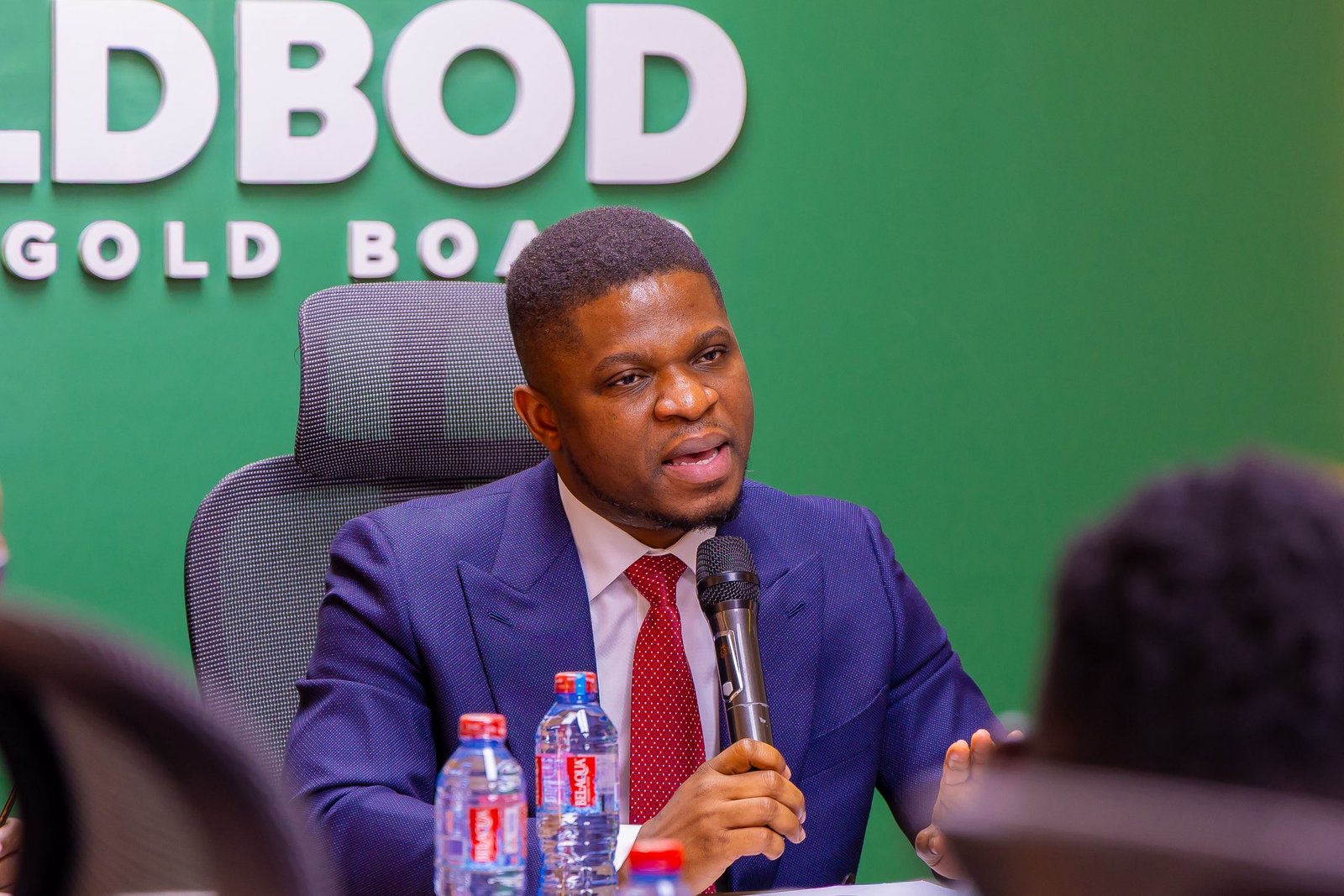
The Ghana Gold Board earned more foreign exchange in September than the entire country spent on imports in an average month this year, figures from the Board and the Bank of Ghana show, underlining how heavily the economy and the cedi have come to rely on a single state agency and a single metal.
GoldBod generated US$1.871 billion from its trade in gold from small-scale miners in September, well above its monthly target of US$1.4 billion. By comparison, Ghana’s merchandise imports totaled US$13.58 billion in the first eight months of 2026, an average of about US$1.70 billion a month, according to the Bank of Ghana’s September Monetary Policy Report.
On those figures, GoldBod alone brought in about 10 per cent more dollars in September than the country spent in an average month on the goods it imports, from fuel and machinery to rice and medicines.
September was an exceptional month. GoldBod generated US$1.315 billion in August, about 77 per cent of the average monthly import bill, and expects about US$1.5 billion in October, close to 90 per cent. September’s total was also likely lifted by shipments delayed during a pause in gold exports from mid-August.
Even so, the numbers reflect a dramatic rise. Small-scale gold exports climbed from 63.6 tonnes in 2024 to 103 tonnes in 2025, with much of the increase believed to be gold previously lost to smuggling, and GoldBod-facilitated exports generated US$10.8 billion in foreign exchange last year. Gold as a whole earned US$14.86 billion of Ghana’s US$22.39 billion in export receipts in the first eight months of this year, about two-thirds, according to the central bank.
Finance Minister Dr Cassiel Ato Forson told Parliament in July that the gold policy had generated about US$15 billion in additional foreign exchange inflows. “This single policy measure improved Ghana’s current account balance by 6.4 percentage points,” he said.
Even in an ordinary month, GoldBod is now one of the economy’s most important suppliers of dollars, and its decisions move the market.
Last week, GoldBod credited its direct dollar sales to commercial banks for four straight days of cedi gains, taking the currency to GH¢11.65 to the dollar last Thursday, a rise of about 1.5 per cent since 7 October. For October, it plans to sell US$1 billion to banks and up to US$500 million to the central bank, reversing September, when the Bank of Ghana received US$1.17 billion and banks US$701 million.
The reverse is also true. After GoldBod paused gold exports from mid-August, gross international reserves fell to US$11.07 billion in August, down about US$1.9 billion from June, cutting import cover to 4.2 months. Net international reserves, a narrower measure that deducts certain liabilities, stood at just US$3.1 billion.
The concentration carries real risks, and several are already visible.
The first is funding. The Bank of Ghana, which financed GoldBod’s purchases until early 2026, has withdrawn after the programme generated an estimated GH¢22 billion in losses in 2025, according to JoyNews Research. GoldBod now raises its own money from commercial banks and gold off-takers under a financing model launched in August.
Within weeks, Reuters reported that licensed gold buyers had gone up to three weeks without payment, with some halting purchases. Fewer than five banks had taken part in GoldBod’s auction programme, and an auction on 3 August raised about US$75 million before being paused for consultations with the central bank. GoldBod has denied any funding shortfall.
The second is cost. Under its agreement with the central bank, GoldBod must cut its operating costs to about 5 per cent, from 11 to 12 per cent in early 2026, according to JoyNews Research.
The third is price. Ghana’s gold windfall is almost entirely a price story. Gold export earnings rose 32.9 per cent in the first eight months of the year, but only because the average realized price jumped 44 per cent to US$4,374.65 an ounce. Export volumes actually fell 7.7 per cent, according to the Bank of Ghana. Prices that rise this fast can also fall. The International Monetary Fund has modeled a scenario in which a 30 per cent fall in gold prices would force the government to tighten its budget further, according to JoyNews Research.
The fourth lies in the mines themselves. Small-scale mining remains closely tied to the fight against illegal mining, or galamsey, and the IMF has warned that environmental damage to farmland and rivers could become a structural risk to growth. The Fund has also estimated that 229 tonnes of gold, worth about US$11.4 billion, went missing from official trade data between 2019 and 2024.
Any disruption would be felt quickly according to the central bank. A slowdown in GoldBod’s supply would hit the currency, reserves and petrol pump prices at the same time.
The stakes rise further from here. The government’s Ghana Accelerated National Reserve Accumulation Programme targets import cover of 15 months by the end of 2028, from about 4.5 months today, a goal that rests heavily on GoldBod continuing to deliver dollars at scale.
Moody’s which upgraded Ghana’s credit rating to B3 this month, cited high gold prices as a key support for the external accounts.
Source: economytimesnews.com
