

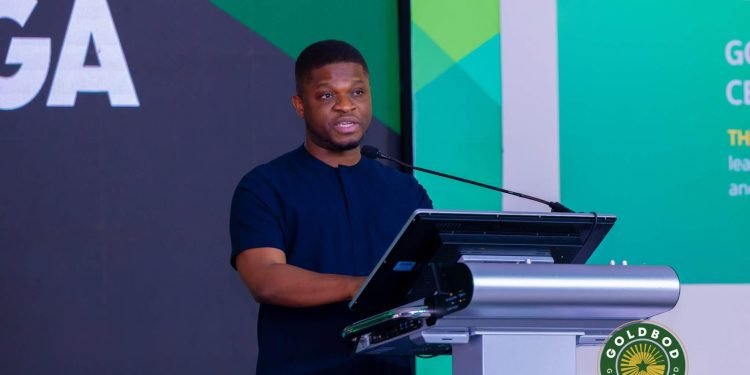
GoldBod Chief Executive Officer Sammy Gyamfi has defended his position on the formalisation of unlicensed small-scale mining, insisting that operators working outside forest reserves, water bodies and other environmentally sensitive areas can be brought into the formal mining sector.
His clarification follows criticism over comments suggesting that unlicensed miners could operate in areas outside protected zones. In a post responding to the controversy, Sammy Gyamfi argued that formalising eligible miners would be a more effective approach than pursuing them with security personnel.
He maintained, however, that some forms of unlicensed mining cannot be tolerated, identifying operations that pollute water bodies, take place in forest reserves, or are conducted in dangerous locations within communities, including roadsides, school lands and bedrooms.
According to him, artisanal and small-scale miners operating outside these prohibited areas may qualify for formalisation under the government’s Responsible Cooperative Mining and Skills Development Programme (rCOMSDEP), provided their activities do not negatively affect the environment.
He explained that the programme is intended to transform unlicensed operators into licensed and responsible miners through the provision of legal documentation, permits, certifications and the necessary training.
Sammy Gyamfi also rejected the circulation of what he described as an edited version of his earlier remarks, arguing that the video omitted important details about the government’s proposed support for bringing eligible miners into the formal sector.
He said formalisation, training and financing support were central to efforts to promote responsible small-scale mining, improve environmental protection and strengthen traceability within the industry.
As part of this approach, the GoldBod CEO announced plans to introduce an Artisanal and Small-scale Mining Formalisation and Financing Support Programme (FFSP) in 2027.
He said the initiative would be implemented in collaboration with the Ministry of Lands and Natural Resources, the University of Mines and Technology and Rand Refinery, with the aim of increasing gold production, boosting mineral revenue and creating jobs while reducing operational costs and environmental risks.
